There's a camera at an industrial site pointing at a busy route. Harsh conditions, dust, and objects partially hidden make detection difficult. The system has to deliver reliable alerts in real time on local hardware with no external cloud connection.
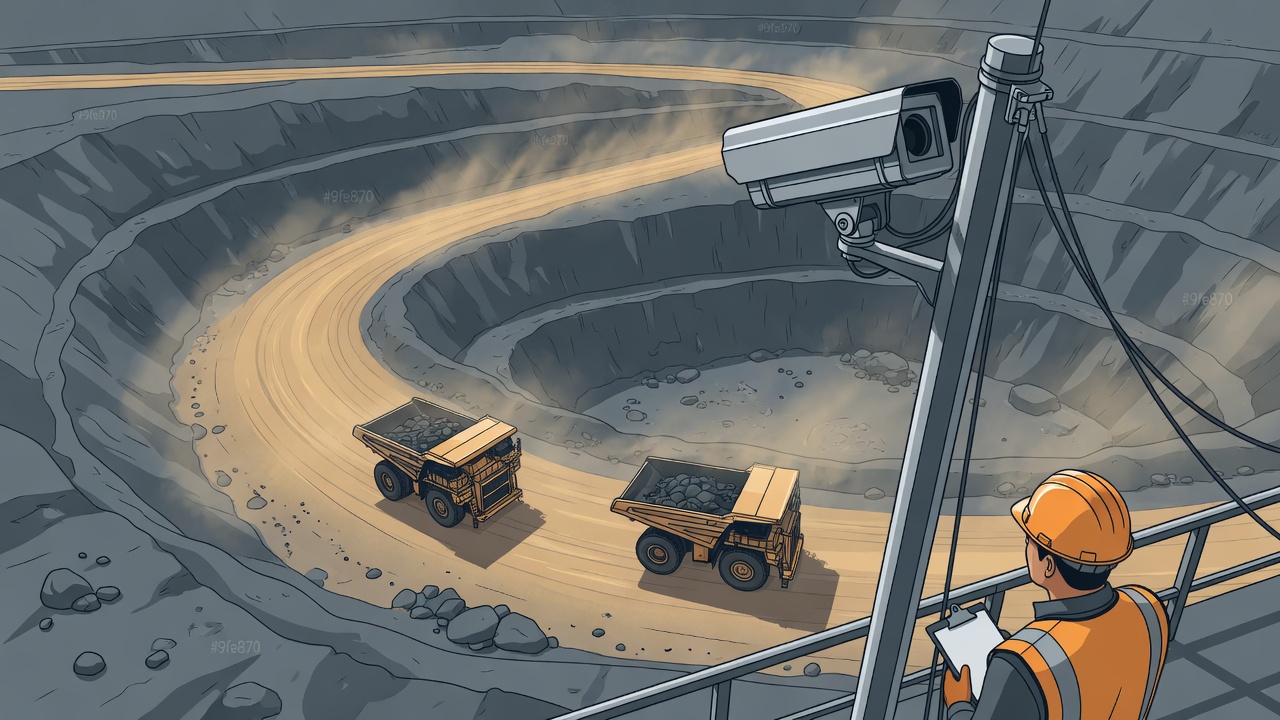
Scenes like this are different from typical benchmark data. Detectors trained on clean photos struggle when the viewpoint is unusual, lighting is extreme, and many objects are small or blocked.
The cameras were already installed
The site had cameras in place. Streaming everything outward wasn't viable due to limited connectivity, latency needs, and reliability requirements. External dependencies weren't an option.
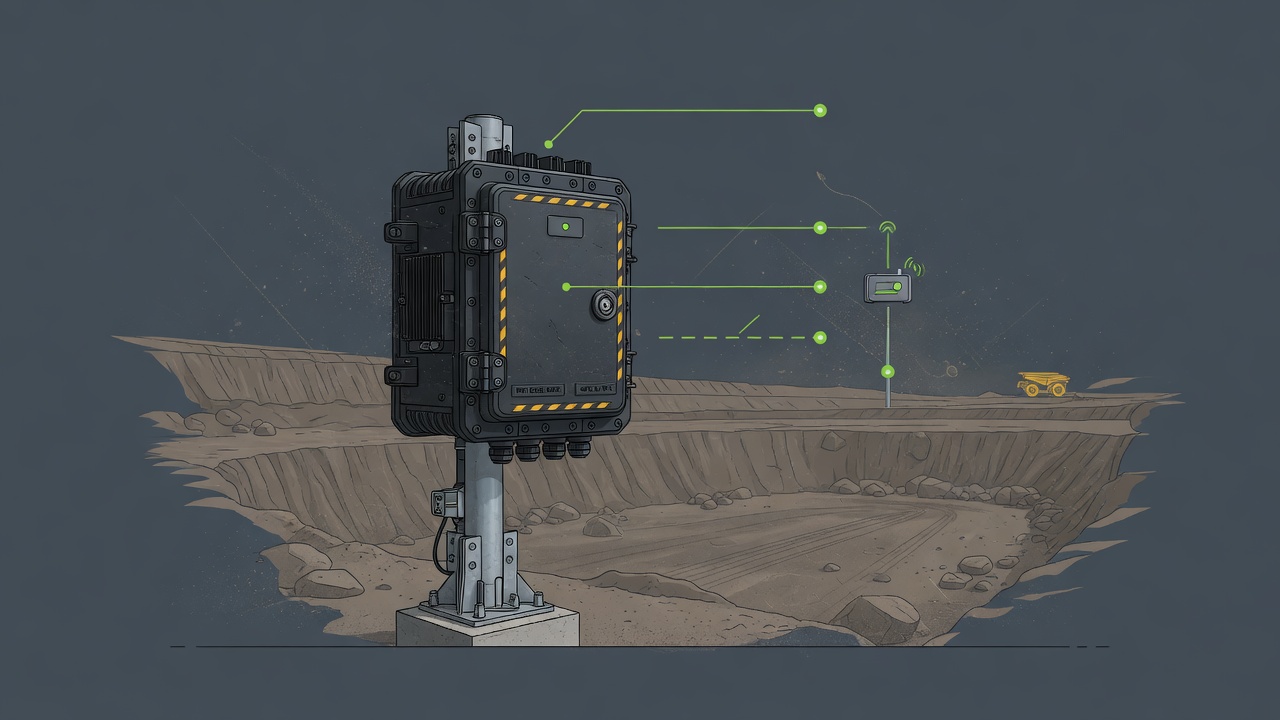
Processing had to happen locally. Lightweight models handled immediate needs near the source. Heavier analysis moved to a central point on the internal network. Only compact event data traveled: object type, confidence, location, time, and source. The full imagery stayed on site.
The annotation reality on site
Label quality was the main limit. Objects from non-standard angles or distances don't match clean training examples. The same item can look different under changing light or partial cover. Some classes appear often, while others are rare and small.
We shaped the sampling and augmentation around the actual mix of data. The distribution drove the approach more than any model choice.
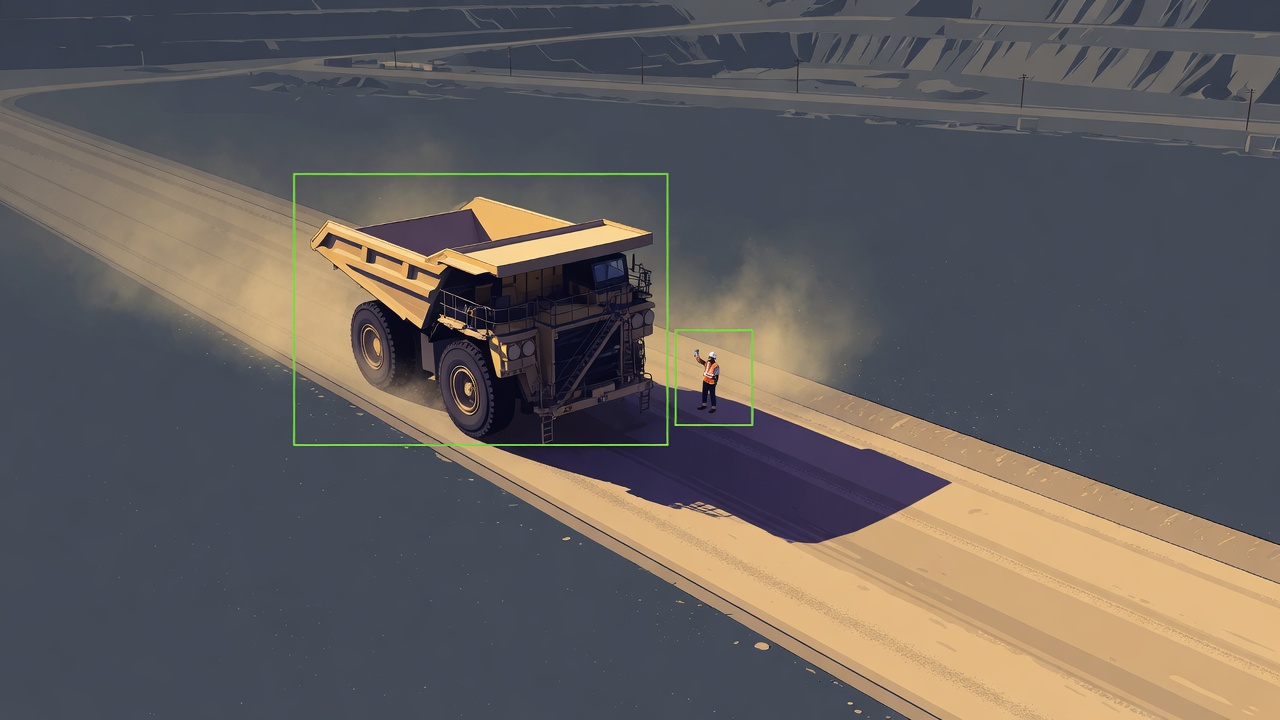
Model had to fit the box it would run in
The target hardware set the limits for the model. A compact variant fit the available compute while keeping usable performance. Larger options would have added little in practice while breaking feasibility.
Validation showed solid headline numbers, but the confusion patterns were more revealing. Background confusion was a data issue more than an architecture one. The right balance on the curve depends on whether missing something or raising false alerts costs more in operation.
Wiring it into the field operation
We put the pieces into services that ran locally and shared only what was needed over the internal network. Events carried just enough for downstream use. A dashboard showed live activity. Alerts triggered on defined zones. Records were kept for review.
The dashboard received the events while the imagery stayed put. That separation made the setup practical at scale. One view could aggregate from many sources without moving full data.
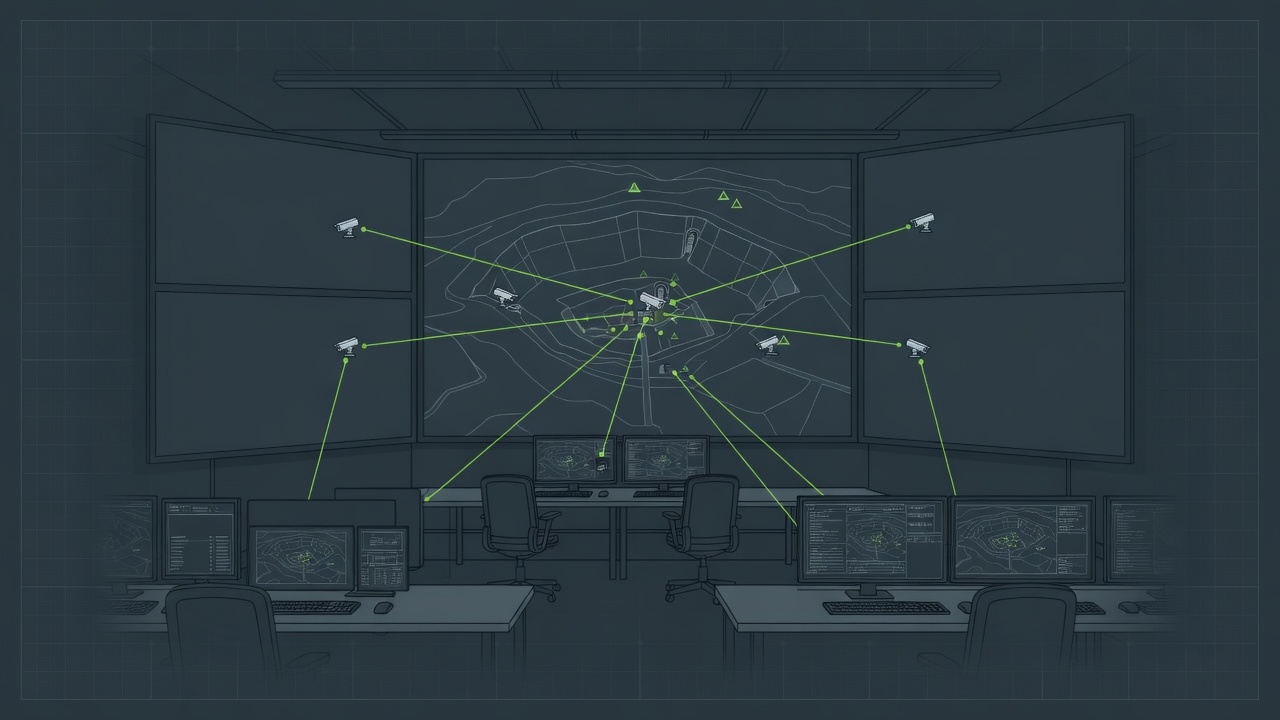
The view showed the events. The central point handled the heavier analysis. Imagery didn't travel outward. One place could oversee activity from many locations because the demanding work happened centrally.
Even with good precision, volume at busy times can create noise. The way alerts are handled determines whether the system gets trusted or ignored.
We are still early with reliable edge systems in difficult settings. The real test is whether the full loop holds up day after day without constant oversight.
Related: open hyperspectral mineral mapping — Open Ore Mapper. Mining TIH context: TIH / TEXMiN network.